


Do I Need Shoulder Surgery? 5 Clear Signs to Watch
Your shoulder has hurt for months. Maybe longer.
You’ve tried rest. You’ve taken ibuprofen. You’ve done some stretching. And it’s still there — that deep ache, that sharp pop, that moment where reaching up makes you wince.
So the question creeps in: Do I actually need shoulder surgery?
Most people sit on that question too long. They wait, hope things improve, and lose months — sometimes years — of function they didn’t have to lose. Dr. Amit Varma, a double fellowship-trained shoulder surgeon based in Clermont, FL, sees this pattern every week.
The hardest part of my job isn't the surgery itself — it's convincing patients they've already waited too long
Dr. Amit Varma, MD Double Fellowship-Trained Shoulder Surgeon
Rothman Institute & Andrews Institute under Dr. James Andrews
The 5 Signs You May Need Shoulder Surgery
Sign #1 — Pain That Wakes You at Night
Night shoulder pain is different from normal soreness. If your shoulder wakes you when you roll onto it, something deeper may be wrong.
When muscles relax during sleep, hidden joint problems show up. Rotator cuff tears, labral injuries, and arthritis commonly cause this type of pain. Learn more about rotator cuff repair.
If night pain lasts more than 6–8 weeks, it should be evaluated.
Orthopedic research from the American Academy of Orthopaedic Surgeons confirms that persistent night pain is a strong indicator of structural shoulder injury.
“Night pain that disrupts sleep is one of the clearest signals something structural is wrong.” — Dr. Varma
Sign #2 — Conservative Treatment Failed
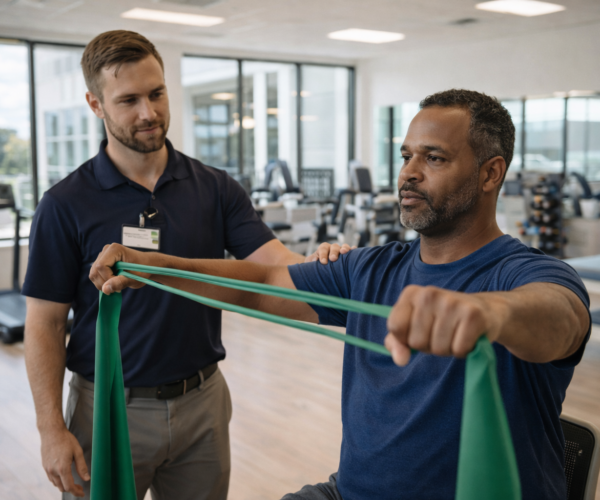
Conservative treatment usually includes physical therapy, anti-inflammatory medication, steroid injections, and activity modification.
If these treatments do not improve symptoms, surgery may become the next option. Many orthopedic guidelines recommend 6–12 weeks of structured therapy before considering surgery.
Signs conservative care has failed:
• 6–12 weeks of physical therapy with little improvement
• Two or more injections with only temporary relief
• Shoulder pain limiting daily activities or work
• Pain returning when medication stops
Clinical guidance from the National Library of Medicine notes that persistent dysfunction after conservative care often indicates structural damage.
Sign #3 — Real Arm Weakness
Pain can limit movement. Weakness is different.
If your arm will not lift or hold weight even when you try, the problem may be structural.
This commonly indicates a rotator cuff tear, where the tendon separates from the bone. Physical therapy cannot reattach a detached tendon.
Medical guidance from the Mayo Clinic rotator cuff injury overview explains that weakness and loss of elevation are classic signs of tendon tears.
Quick check:
Raise both arms to the side.
If one arm drops, shakes, or cannot rise as high, it should be evaluated.
Sign #4 — Daily Tasks Are Becoming Difficult
Shoulder problems show up in everyday movement.
Reaching overhead
Getting dressed
Lifting groceries
Working above shoulder height
If shoulder pain limits normal activities for more than 3–6 months, it may be time to schedule a surgical consultation.
Orthopedic specialists at Johns Hopkins Medicine note that loss of functional movement is one of the key indicators used when deciding whether surgical repair may be necessary.
“I try to keep patients out of surgery whenever possible. But when conservative care fails, surgery can restore normal function.” — Dr. Varma
Sign #5 — Imaging Shows Structural Damage
X-rays show bone.
MRIs show tendons, cartilage, and the labrum.
When imaging confirms structural damage, exercise alone cannot repair it.
Findings that often require surgery:
• Full-thickness rotator cuff tear
• Labral tear causing instability
• Severe cartilage loss from arthritis
• Massive cuff tear with muscle atrophy
Diagnostic imaging guidance from RadiologyInfo (American College of Radiology) explains that MRI is the most reliable method for identifying tendon tears and joint damage.
Physical therapy strengthens surrounding muscles, but it cannot reattach a torn tendon.
What Happens at Your First Appointment
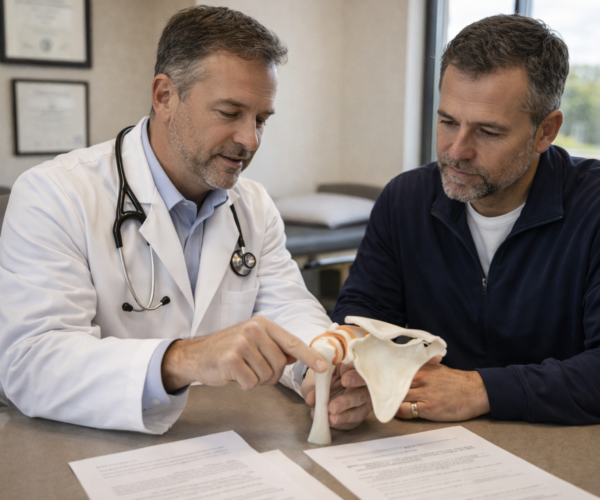
A first visit with Dr. Varma is a conversation — not a pitch for surgery.
He reviews your history, examines your shoulder, and looks at any existing imaging. If surgery is appropriate, he explains your options clearly. If it’s not yet appropriate, he tells you that too — and maps out what non-surgical options still make sense.
No pressure. No upsell. Just an honest clinical evaluation from a surgeon trained at the Rothman Institute and the Andrews Institute under Dr. James Andrews — one of the most respected shoulder surgeons in the country.
Not Sure Where You Stand?
Talk with Dr. Varma and get a clear answer.
Why Central Florida Patients Choose Dr. Varma
Double fellowship-trained. Conservative-first. Shoulder specialist only.
Double Fellowship Trained
Rothman Institute and Andrews Institute under Dr. James Andrews — two of the most respected shoulder programs in the country.
Conservative-First Approach
Surgery is recommended only when it is truly necessary. Patients are guided toward the best option, not the fastest one.
Shoulder Specialist
His training and practice focus entirely on the shoulder joint — not divided across hips, knees, or spine procedures.
Serving Central Florida
Expert shoulder care in Clermont, serving Winter Garden, Ocoee, and the greater Orlando area.
I waited almost two years thinking the pain would go away. After one visit with Dr. Varma, I finally understood what was actually wrong. Three months after surgery, I'm back to everything I love.

Robert T. Story
Winter Garden, FLDr. Varma was the first surgeon who explained my MRI like a human being. He told me I wasn't ready for surgery yet and gave me a real plan. I respected that honesty more than anything.

Sandra M. Story
Clermont, FLCommon Questions About Shoulder Pain Warning Signs
Physical therapy works well for many shoulder conditions — especially early on. When pain persists after 6–12 weeks of consistent PT, when imaging shows a full structural tear, or when function hasn’t returned despite conservative care, a surgical evaluation becomes appropriate. Dr. Varma always recommends non-surgical care when it’s still a realistic option. A consultation clarifies which path fits your situation.
Partial tears can sometimes stabilize with physical therapy and activity modification. Full-thickness tears — where the tendon has completely separated from bone — do not reattach on their own. Over time, an untreated full tear can worsen, leading to muscle atrophy and a repair that becomes more complex. Earlier surgical evaluation usually leads to better outcomes.
Recovery varies by procedure. Arthroscopic rotator cuff repairs typically involve 4–6 weeks in a sling, then structured PT for 4–6 months. Shoulder replacement recovery generally allows light use within a few weeks, with full activity returning over 3–6 months. Dr. Varma provides detailed recovery timelines at your consultation so you can plan accordingly
Not always. Rotator cuff tears can become harder to repair if the tendon retracts and muscle atrophies — but many shoulder conditions can still be addressed surgically even years after onset. The best way to know is a direct evaluation. Dr. Varma will review your imaging and give you an honest answer about what’s still correctable.
Dr. Varma completed two separate fellowships — at the Rothman Institute and the Andrews Institute, training directly under Dr. James Andrews. He focuses exclusively on shoulder conditions, meaning the full weight of his training is dedicated to one joint. General orthopedic surgeons divide their time across hips, knees, spines, and more.
Dr. Varma is a fellowship-trained orthopedic surgeon specializing exclusively in shoulder conditions. He completed advanced training at the Rothman Institute and the Andrews Institute, where he trained directly under Dr. James Andrews. His practice at the Varma Shoulder Institute in Clermont, Florida serves patients across Central Florida with a conservative-first approach to shoulder care.
Ready to Get a Real Answer?
Dr. Varma sees patients from Clermont, Winter Garden, Ocoee, and across Central Florida. A first visit is a conversation — not a commitment to surgery.
The content on this page is for educational purposes only and does not constitute medical advice.
Individual results and recovery timelines vary. Always consult a qualified medical professional
for diagnosis and treatment recommendations specific to your condition.
Varma Shoulder Institute · 1925 Don Wickham Drive · Clermont, FL 34711 · (352) 404-8956