
Shoulder Replacement in Clermont for Arthritis Pain
Shoulder replacement Clermont patients seek has become one of the most effective long-term solutions for debilitating glenohumeral arthritis — and at Varma Shoulder Institute, we help patients throughout Central Florida understand exactly when surgery is the right step. If grinding pain, stiffness, and lost range of motion are limiting your daily life, this guide explains what to expect from evaluation through recovery.
Shoulder arthritis is more common than many patients realize, and it progresses differently from person to person. Understanding the condition — and knowing when surgery becomes the most appropriate option — is the first step toward lasting relief. The sections below walk through the full picture, from early symptoms to post-surgical recovery.
What Shoulder Arthritis Feels Like and When It Becomes Serious
Glenohumeral arthritis — the most common form affecting the shoulder joint — develops when the cartilage that cushions the ball-and-socket joint wears down over time. Early symptoms often include a dull ache that worsens with activity, morning stiffness, and a gradual loss of overhead reach. As the condition progresses, patients frequently describe a deep grinding or catching sensation, pain that interrupts sleep, and difficulty with routine tasks like reaching a shelf or fastening a seatbelt.
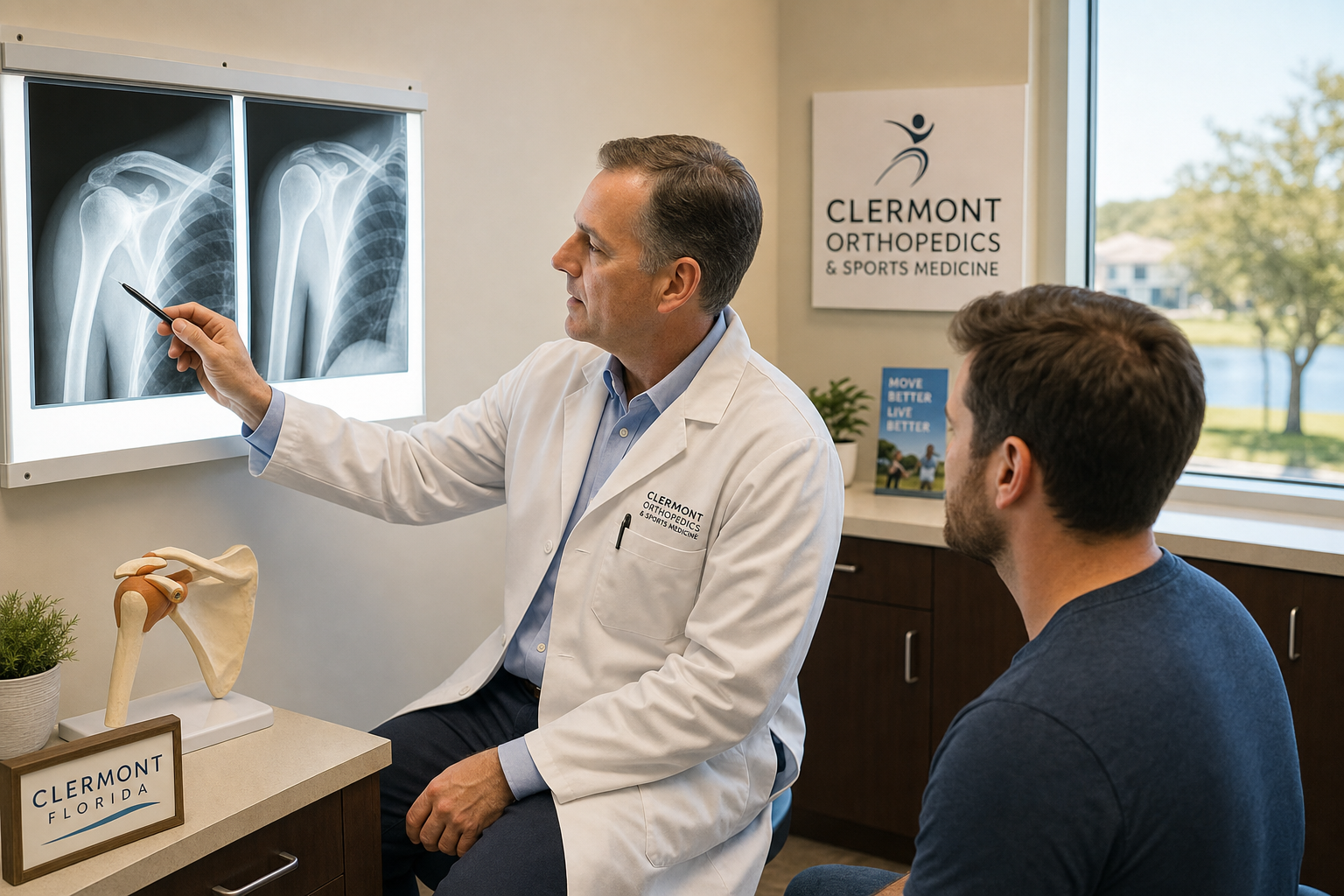
Arthritis becomes serious when it begins to significantly restrict daily function and quality of life. Imaging — X-rays and sometimes MRI — can confirm the degree of joint space narrowing and bone damage. According to OrthoInfo (AAOS), shoulder arthritis affects a meaningful portion of adults over 60, though it can occur earlier following prior injury or instability.
When Shoulder Replacement Is Considered for Arthritis Pain
Shoulder replacement is typically considered after a structured course of non-surgical treatment — including physical therapy, anti-inflammatory medications, corticosteroid injections, and activity modification — has failed to provide adequate relief. The decision is never made lightly. At Varma Shoulder Institute, we conduct a thorough evaluation that includes a detailed history, physical examination, and advanced imaging before any surgical recommendation is made.
Key indicators that shoulder replacement may be appropriate include persistent pain that limits sleep and daily activity, significant joint space loss on X-ray, failed conservative treatment lasting several months, and progressive loss of shoulder function. If you are experiencing these symptoms, schedule a shoulder evaluation at Varma Shoulder Institute to discuss your options with Dr. Varma directly.
Types of Shoulder Replacement: Total vs. Reverse
Not all shoulder replacements are the same. The two primary procedures used for arthritis are total shoulder replacement (TSA) and reverse total shoulder replacement (rTSA), and the correct choice depends on the condition of your rotator cuff and the pattern of joint damage.
Total Shoulder Replacement (TSA) replaces the damaged ball (humeral head) with a metal implant and resurfaces the socket (glenoid) with a plastic component. This procedure is best suited for patients with intact rotator cuff function and predictable glenohumeral arthritis. It reliably restores motion and reduces pain when the rotator cuff is healthy.
Reverse Total Shoulder Replacement (rTSA) switches the geometry — placing the ball component on the socket side and the socket on the arm side. This design allows the deltoid muscle to compensate for a deficient or torn rotator cuff. Reverse replacement is commonly used for patients with rotator cuff arthropathy, complex fractures, or failed prior shoulder surgery. Learn more about shoulder joint replacement options from AAOS.
Who Is a Good Candidate and Who May Need Other Treatment First
Good candidates for shoulder replacement generally include adults with confirmed glenohumeral arthritis, significant functional limitation, and failure of at least several months of conservative care. Bone quality, overall health, activity level, and rotator cuff status all factor into the decision. Younger, highly active patients may be counseled toward non-surgical management for as long as possible, given the long-term considerations of implant longevity.
Patients who may benefit from non-surgical treatment first include those with early-stage arthritis, mild-to-moderate symptoms, or conditions that can be managed with physical therapy and injections. Our team at Varma Shoulder Institute always explores the least invasive effective option before recommending surgery.
What to Expect Before, During, and After Surgery
Before surgery: Pre-operative preparation typically includes medical clearance, blood work, and imaging. Patients may be asked to stop certain medications, arrange home support for the recovery period, and complete pre-surgical physical therapy to optimize shoulder strength.
During surgery: Shoulder replacement is performed under general or regional anesthesia. The procedure typically takes one to two hours. Dr. Amit Varma — double-fellowship-trained at the Rothman Institute and the Andrews Institute, and Chief of Surgery at South Lake Hospital — performs shoulder replacements using techniques refined through advanced subspecialty training in shoulder and elbow surgery.
After surgery: Most patients are discharged the same day or after a brief hospital stay. The arm is placed in a sling, and a structured rehabilitation program begins within days of surgery to restore motion and strength progressively.
Recovery Timeline After Shoulder Replacement
Recovery from shoulder replacement is gradual and requires commitment to physical therapy. General milestones include:
- Weeks 1–4: Sling use, gentle pendulum exercises, and early passive range-of-motion work guided by a physical therapist.
- Weeks 4–8: Progressive active-assisted motion, light daily activities with the operated arm, and continued PT.
- Months 3–6: Strengthening exercises, return to most daily activities, and gradual improvement in overhead reach.
- 6–12 months: Continued strength gains; most patients reach their functional plateau within this window.
Individual recovery timelines vary based on the type of replacement, pre-surgical condition, and adherence to rehabilitation. The American Shoulder and Elbow Surgeons (ASES) recognizes shoulder replacement as a well-established procedure with a strong track record for pain relief and functional improvement in appropriately selected patients.
Non-Surgical Options for Shoulder Arthritis in Clermont
Surgery is not the first answer for shoulder arthritis. At Varma Shoulder Institute, we provide a full range of non-surgical treatments designed to reduce pain and preserve function for as long as possible. These include:
- Physical therapy: Targeted exercises to strengthen the rotator cuff and periscapular muscles, improve posture, and reduce joint stress.
- Anti-inflammatory medications: NSAIDs and other medications to manage pain and inflammation.
- Corticosteroid injections: Image-guided injections to reduce inflammation and provide temporary relief.
- PRP (Platelet-Rich Plasma) injections: A regenerative option that may help some patients with early-to-moderate arthritis.
- Activity modification: Guidance on adapting daily activities to reduce shoulder load and slow symptom progression.
If you are not yet sure whether surgery is necessary, contact our Clermont shoulder team for a comprehensive evaluation. We will give you an honest assessment of where you stand and what your best options are.
Why Seeing a Shoulder Specialist Matters
Shoulder replacement is a technically demanding procedure. The shoulder is the most mobile joint in the body, and restoring that mobility after joint replacement requires precise implant positioning, careful soft-tissue balancing, and a surgeon with deep subspecialty experience. General orthopedic surgeons may perform shoulder replacements, but a surgeon whose practice is dedicated exclusively to shoulder and elbow conditions brings a level of focused expertise that matters for outcomes.
Varma Shoulder Institute provides shoulder replacement surgery for patients throughout Clermont, Orlando, and Central Florida, with same-week consultation appointments available. Dr. Varma’s dual fellowship training — at the Rothman Institute under Dr. Michael Ciccotti and at the Andrews Institute under Dr. James Andrews — represents the highest level of subspecialty preparation available in orthopedic surgery. For patients seeking a second opinion before proceeding with surgery, we offer second-opinion consultations within 48 hours. You can also review general guidance on shoulder surgery from AAOS as a starting point for your research.
Common Mistakes Patients Make When Dealing with Shoulder Arthritis
- Waiting too long to seek evaluation: Many patients tolerate worsening pain for years before seeing a specialist. Earlier evaluation means more options — including non-surgical ones.
- Assuming surgery is the only option: Non-surgical treatments are effective for many patients, especially in earlier stages. A specialist evaluation clarifies what is actually needed.
- Skipping physical therapy after surgery: Post-operative rehabilitation is essential. Patients who skip or rush PT often achieve inferior outcomes in motion and strength.
- Choosing a surgeon based on convenience alone: Shoulder replacement outcomes are closely tied to surgical volume and subspecialty experience. Seek a dedicated shoulder specialist.
- Self-diagnosing from imaging reports: Imaging findings must be interpreted in the context of your symptoms and physical examination. A report alone does not determine whether surgery is needed.
When to Schedule a Consultation in Clermont
If shoulder pain is limiting your sleep, your work, or your ability to enjoy daily activities — and conservative treatments have not provided lasting relief — it is time to speak with a shoulder specialist. You do not need a referral to schedule a consultation at Varma Shoulder Institute, and same-week appointments are available.
Our team will review your imaging, perform a thorough physical examination, and give you a clear, honest recommendation — whether that means continuing non-surgical care, exploring PRP or injection therapy, or discussing shoulder replacement as a long-term solution. Call us at (352) 404-8956 or visit our website to book your evaluation.
Patient Scenario: When Arthritis Leads to Replacement
Frequently Asked Questions
How do I know if I need shoulder replacement for arthritis?
Shoulder replacement is typically considered when arthritis has caused significant joint damage confirmed on imaging, and when non-surgical treatments — including physical therapy and injections — have failed to provide lasting relief. A consultation with Dr. Varma at Varma Shoulder Institute will clarify whether you are a candidate.
What is the difference between total and reverse shoulder replacement?
Total shoulder replacement preserves the normal ball-and-socket geometry and works best when the rotator cuff is intact. Reverse shoulder replacement switches the geometry to allow the deltoid muscle to power the arm, making it the preferred option when the rotator cuff is severely damaged or absent.
How long does recovery from shoulder replacement take?
Most patients wear a sling for four to six weeks and participate in physical therapy for three to six months. Significant functional improvement is typically seen by three to six months, with continued gains through the first year after surgery.
Is shoulder replacement surgery covered by insurance?
Shoulder replacement for arthritis is generally covered by major insurance plans including Medicare, Aetna, Cigna, Florida Blue/BCBS, UnitedHealthcare, and Tricare when medical necessity criteria are met. Varma Shoulder Institute accepts these plans — contact our office at (352) 404-8956 to verify your specific benefits.
Can shoulder arthritis be treated without surgery?
Yes — many patients manage shoulder arthritis effectively with physical therapy, anti-inflammatory medications, corticosteroid injections, and PRP therapy. Surgery is considered only when these approaches no longer provide adequate relief and joint damage is advanced.
Where is Varma Shoulder Institute located?
Varma Shoulder Institute is located in Clermont, FL 34711 and serves patients throughout Central Florida including Orlando and surrounding communities. Same-week appointments are available — call (352) 404-8956 or schedule online.
Can I get a second opinion on shoulder replacement at VSI?
Yes. Varma Shoulder Institute offers second-opinion consultations within 48 hours for patients who have been told they need shoulder replacement and want to confirm the recommendation with a dedicated shoulder specialist before proceeding.
Update Log
- May 2026: Article reviewed and updated to reflect current VSI consultation availability, insurance acceptance, and non-surgical treatment options including PRP therapy for shoulder arthritis.