


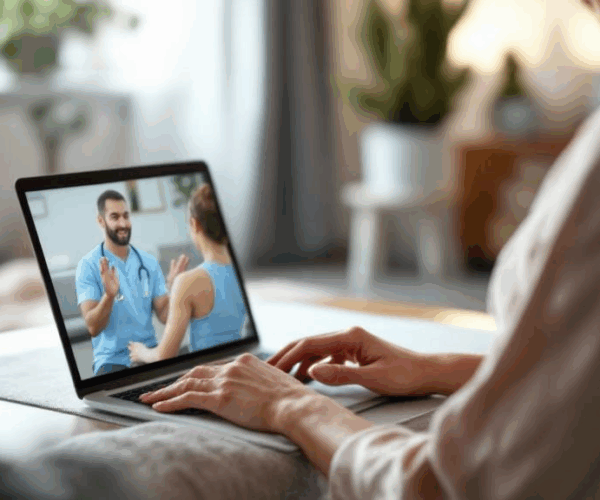
The way we access healthcare has transformed dramatically in recent years, and orthopedic care is no exception. Orthopedic telehealth allows you to consult with specialized shoulder and joint experts from the comfort of your home, eliminating travel time, reducing costs, and providing access to top specialists regardless of your location. At Varma Shoulder Institute, we’ve embraced telemedicine as a powerful tool for diagnosing conditions, managing pain, and guiding treatment decisions without requiring an in-person visit for every consultation. This comprehensive guide reveals why orthopedic telehealth has become the ultimate choice for patients seeking expert pain management and musculoskeletal care.
Traditional orthopedic care often requires taking time off work, driving to appointments, sitting in waiting rooms, and dealing with parking hassles—all while you’re already in pain. Telehealth eliminates these barriers while maintaining the quality of care you deserve. According to the American Academy of Orthopaedic Surgeons, telemedicine visits have increased by over 300% in recent years, with patient satisfaction rates exceeding 90% for appropriate orthopedic conditions. Virtual consultations work remarkably well for initial evaluations, follow-up appointments, second opinions, post-surgical check-ins, and chronic pain management.
How Orthopedic Telehealth Actually Works
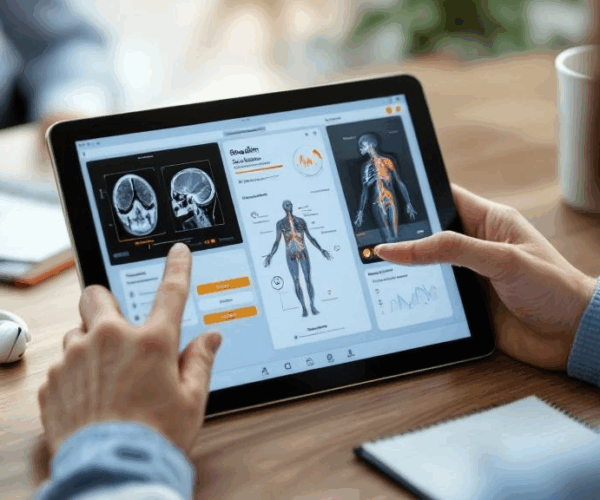
Many people wonder whether a doctor can effectively evaluate musculoskeletal problems through a screen. The answer is yes, for a significant percentage of orthopedic conditions. During a telehealth appointment, your orthopedic specialist can observe how you move, assess your range of motion through guided movements, evaluate pain locations and patterns based on your description and demonstration, review any imaging you’ve already had, and develop comprehensive treatment plans based on clinical findings.
"Telehealth isn't appropriate for every orthopedic situation, but for initial consultations, follow-ups, and many chronic conditions, virtual visits provide diagnostic accuracy comparable to in-person evaluations. The key is having experienced specialists who understand how to conduct thorough virtual examinations."
Dr. Rebecca Martinez, Orthopedic Telemedicine Specialist
The Ultimate Advantages of Virtual Orthopedic Care
Time savings are among the most significant benefits of orthopedic telehealth. Traditional appointments often take 2 to 3 hours when you factor in travel, parking, waiting room time, and the actual visit. Virtual appointments typically require only 20-30 minutes of your time, scheduled at your convenience without leaving home or work. For patients managing chronic shoulder pain, knee arthritis, or other ongoing conditions, this efficiency compounds over multiple follow-up visits.
Cost savings extend beyond the apparent elimination of travel expenses. Many insurance plans cover telehealth visits at the same rate as office visits, while some providers offer reduced self-pay rates for virtual consultations. You avoid lost wages from taking time off work, childcare costs, and parking fees. For patients seeking second opinions from specialists outside their immediate area, telehealth eliminates the expense of travel that would otherwise make expert consultation financially prohibitive.
Access to top specialists becomes democratized through telemedicine. Geographic barriers disappear when you can consult with fellowship-trained shoulder surgeons, hip specialists, or spine experts, regardless of where they practice. Rural patients who previously had to drive for hours to reach subspecialists can now access the same expertise from home. Patients with mobility limitations due to their orthopedic conditions benefit enormously from not having to navigate transportation challenges while in pain.
Comfort and convenience during recovery prove invaluable, especially for post-surgical follow-ups. Rather than getting dressed, arranging transportation, and enduring a car ride when you’re still healing from surgery, you can check in with your surgeon from bed or your couch. This reduced stress during the recovery period allows you to focus energy on healing rather than logistics. Setting up for a successful telehealth visit requires minimal preparation—ensure you have reliable internet connectivity through a quality router and a webcam with good resolution if your device’s built-in camera isn’t adequate.
- Schedule appointments during lunch breaks without leaving your office
- Avoid exposure to illnesses in waiting rooms during flu season
- Include family members easily by having them join the video call
- Access your specialist even when traveling or temporarily relocated
Conditions Perfect for Telehealth Evaluation
Shoulder pain from rotator cuff tendinitis, impingement, or frozen shoulder responds excellently to telehealth evaluation and management. Your specialist can assess range of motion, observe compensation patterns, and develop treatment plans including home exercises, activity modifications, and medication recommendations. Many shoulder conditions improve significantly with conservative care guided through virtual follow-ups, avoiding the need for multiple in-person visits.
Chronic joint pain, including knee arthritis, hip bursitis, and tennis elbow, benefits from ongoing telehealth management. Once you’ve had initial imaging and diagnosis, regular check-ins allow your doctor to monitor progress, adjust treatment strategies, and determine whether or not more aggressive intervention is necessary. This continuous care model often produces better outcomes than sporadic in-person visits scheduled months apart.
Post-surgical follow-up care transitions seamlessly to telehealth after your initial post-operative visit. Your surgeon can evaluate your incision healing, assess your range of motion progress, review your physical therapy compliance, and address concerns without requiring you to travel while recovering. Research published in the Journal of Bone and Joint Surgery demonstrates that telehealth follow-ups after orthopedic surgery produce equivalent outcomes to in-person visits for routine post-operative care.
Second-opinion consultations work perfectly via telemedicine. If you’ve been recommended for surgery or received a concerning diagnosis, consulting with another specialist via telehealth provides an expert perspective without the travel and expense of visiting multiple doctors’ offices. Many patients find peace of mind in confirming their treatment plan with a subspecialist, and virtual consultations make this process affordable and convenient.
Medication management and injection follow-ups allow your orthopedic specialist to assess whether pain medications, anti-inflammatories, or previous cortisone injections are providing adequate relief. Your doctor can adjust prescriptions, discuss side effects, and determine the timing of repeat injections without requiring an office visit, unless you need a procedure that day.
What You Need for an Effective Telehealth Visit
Technology requirements are simpler than most people expect. You need a smartphone, tablet, or computer with a camera and microphone, a reliable internet connection with adequate bandwidth for video calls, and a secure telehealth platform provided by your orthopedic practice. Most modern devices easily meet the technical requirements. If you’re concerned about audio quality for clear communication, USB headsets designed for video calls ensure your doctor hears your symptoms accurately.
Privacy considerations matter for medical consultations. Find a quiet, private space where you can discuss your health concerns without being overheard or interrupted. Ensure adequate lighting so your doctor can see you clearly during the visual examination. Position your camera at eye level rather than looking down at your device for optimal visualization. Many patients find that adjustable phone stands or tablet holders make it easier to position their device properly while keeping their hands free for movement demonstrations.
Preparation steps maximize the value of your virtual visit. Have your insurance information readily available for check-in. Compile a list of current medications, previous treatments you’ve tried, and questions you want to address. Gather any imaging reports or medical records of earlier providers if you’re seeking a second opinion. Wear clothing that allows easy access to the affected area—tank tops for shoulder evaluation, shorts for knee or hip assessment. Being prepared ensures you accomplish everything needed during your scheduled time.
When In-Person Visits Remain Necessary
While telehealth offers tremendous advantages, certain situations require physical examination and in-person evaluation. Acute traumatic injuries potentially involving fractures need X-rays and hands-on assessment that telemedicine cannot provide. Severe pain with neurological symptoms like numbness, weakness, or loss of bowel or bladder control requires emergency in-person evaluation. Initial evaluations for complex conditions often benefit from comprehensive in-person examination, though follow-ups can transition to telehealth.
Procedures, including joint injections, aspirations, and minor surgical procedures, obviously require your physical presence. However, the consultation to determine whether you need these procedures can often occur virtually, with a follow-up in-person visit scheduled only if intervention is warranted. This hybrid approach minimizes your time commitment while ensuring you receive procedures when medically appropriate.
Physical examination findings that require palpation, specialized orthopedic tests, or measurement of limb lengths and alignment may necessitate in-person assessment. Your telehealth provider will recognize when virtual limitations require transitioning to an office visit and will communicate this need clearly. Many practices offer same-day or next-day in-person appointments when telehealth reveals concerning findings requiring immediate hands-on evaluation.
Insurance Coverage and Cost Considerations
Most major insurance plans now cover telehealth visits at parity with in-person consultations, meaning your copay and coverage are identical regardless of visit format. Medicare expanded telehealth coverage significantly and now covers virtual visits for many orthopedic conditions. Medicaid coverage varies by state but has developed substantially in recent years. Verify your specific coverage by contacting your insurance provider or asking your orthopedic practice about their telehealth billing practices.
For patients paying out of pocket, telehealth consultations often cost significantly less than in-person visits. Many specialists offer reduced self-pay rates for virtual consultations, recognizing the efficiency savings telehealth provides. The total cost comparison becomes even more favorable when you factor in travel expenses, lost wages, and time savings that telehealth delivers.
"I live two hours from the nearest shoulder specialist, and with my work schedule, taking a full day for an appointment was nearly impossible. Telehealth consultations with Dr. Varma allowed me to get expert care for my rotator cuff tendinitis without the travel burden. After three virtual follow-ups and a home exercise program, my pain is 90% better and I avoided surgery. This simply wouldn't have been possible without telemedicine."

Thomas Anderson
Rural Healthcare Worker"After my shoulder surgery, the post-operative check-ins via telehealth were a game-changer. I was still taking pain medication and couldn't drive, so not having to arrange transportation for follow-up visits reduced my stress enormously. My surgeon could see my incision healing and watch me demonstrate my range of motion exercises. The quality of care was identical to an office visit but infinitely more convenient during recovery."

Linda Chen
Post-Surgical PatientCommon Questions About Orthopedic Telehealth
For appropriate conditions and visit types, research consistently demonstrates that telehealth provides diagnostic accuracy and treatment outcomes equivalent to in-person care. A comprehensive review in the Journal of Telemedicine and Telecare found that for follow-up visits, chronic condition management, and many initial consultations, patient outcomes and satisfaction with virtual care match or exceed traditional appointments. The key is having experienced orthopedic providers who understand how to conduct thorough virtual examinations and recognize when in-person evaluation becomes necessary. Conditions well-suited for telehealth include most shoulder problems, chronic joint pain, arthritis management, post-surgical follow-ups, and second opinions. Complex initial evaluations, acute traumatic injuries, and situations requiring hands-on examination may require in-person assessment either initially or as a follow-up to virtual consultation.
Orthopedic specialists use several techniques to conduct comprehensive virtual examinations. They guide you through specific movements while observing your range of motion, compensation patterns, and pain responses. You demonstrate where pain occurs and describe its characteristics while pointing to affected areas. The doctor watches how you perform functional tasks like reaching overhead, lifting your arm to the side, or bearing weight on an injured leg. They review any imaging you’ve previously obtained including X-rays, MRIs, or CT scans. Through this combination of observation, patient reporting, and imaging review, skilled orthopedic providers can accurately diagnose most common musculoskeletal conditions. If the virtual examination reveals limitations or concerning findings requiring palpation or specialized testing, your doctor will recommend an in-person follow-up visit.
Your orthopedic specialist can order imaging studies during or after your telehealth visit if diagnostic tests are needed. You’ll visit a local imaging center for X-rays, MRI, or CT scans, then your doctor reviews the results and contacts you to discuss findings and treatment recommendations. This approach often proves more efficient than traditional care because you only travel for the actual imaging rather than multiple office visits. Many patients schedule their initial telehealth consultation, get any needed imaging done locally in the following days, then have a second virtual visit to review results and finalize the treatment plan—all while minimizing travel and time away from work or family obligations.
Yes, orthopedic specialists can prescribe medications during telehealth visits within the same scope they would during in-person appointments. This includes pain medications, anti-inflammatories, muscle relaxants, and other drugs commonly used in orthopedic care. Your doctor sends prescriptions electronically to your preferred pharmacy, and you pick them up or have them delivered just as with traditional prescriptions. Certain controlled substances may have restrictions on telehealth prescribing depending on state regulations and your previous relationship with the provider, but most orthopedic medications can be prescribed without issues. Physical therapy referrals and orders for durable medical equipment like braces or supports can also be provided during virtual visits.
Scheduling orthopedic telehealth visits is typically straightforward. Most practices offer online scheduling through their website where you select “telehealth” or “virtual visit” as your appointment type. You can also call the office and request a virtual consultation when speaking with the scheduler. Many practices offer both scheduled appointments at specific times and same-day telehealth slots for urgent concerns. You’ll receive a link to the secure video platform before your appointment—simply click the link at your scheduled time to connect with your provider. First-time users should test their connection a few minutes early to ensure their camera, microphone, and internet connection work properly.
Why Choose Varma Shoulder Institute for Telehealth Care
For over two decades, Varma Shoulder Institute has led the way in innovative shoulder and orthopedic care delivery. Our telehealth program combines fellowship-trained orthopedic specialists with expertise in virtual examination techniques, secure HIPAA-compliant video platforms that ensure your privacy and data security, flexible scheduling, including evening and weekend virtual appointments, and seamless integration between virtual and in-person care when needed.
- Comprehensive virtual consultations averaging 20-30 minutes of dedicated time
- Same-day telehealth appointments available for urgent orthopedic concerns
- Electronic prescriptions sent directly to your preferred pharmacy
- Acceptance of most major insurance plans with telehealth coverage
Experience the Future of Orthopedic Care Today
Don’t let distance, time constraints, or mobility limitations prevent you from accessing expert orthopedic care. Telehealth technology brings fellowship-trained shoulder and joint specialists directly to you, wherever you are. Whether you need an initial consultation for new pain, follow-up care for an existing condition, a second opinion on recommended surgery, or post-operative check-ins, virtual visits provide convenient access to the expertise you need.
Schedule your telehealth consultation with Varma Shoulder Institute today. Our specialists will conduct a thorough virtual evaluation, answer all your questions, and develop a personalized treatment plan designed to reduce your pain and restore your function. Most insurance plans cover telehealth visits, and we offer convenient online scheduling for maximum flexibility.
Join thousands of patients who have discovered that orthopedic telehealth delivers expert care without the hassle of traditional appointments. Book your virtual consultation now and experience the ultimate choice for pain management and musculoskeletal care.
Medical Disclaimer: This information is for educational purposes and does not replace professional medical advice. Certain orthopedic conditions require in-person evaluation. Schedule a consultation with our specialists to determine whether telehealth is appropriate for your specific situation.