

Shoulder Surgery Second Opinion in Clermont, FL
Getting a shoulder second opinion before surgery in Clermont, FL is one of the most important steps you can take before committing to an operation. At Varma Shoulder Institute, we regularly evaluate patients who want to confirm their diagnosis, explore non-surgical options, or simply feel confident that surgery is truly necessary. A second opinion is not a sign of distrust — it is a sign of informed decision-making.
Shoulder surgery is a significant decision. Whether you have been told you need a rotator cuff repair, a shoulder replacement, or arthroscopic surgery, taking time to verify that recommendation with a specialist is both reasonable and medically sound. The sections below walk you through exactly what to expect from a shoulder second opinion and how Varma Shoulder Institute can help you navigate that process.
When to Get a Shoulder Second Opinion Before Surgery
There is no single rule about when a second opinion is required, but several situations make it especially worthwhile. You should strongly consider seeking a second opinion if your pain has not been fully explained by imaging, if you were diagnosed quickly without a thorough physical examination, or if surgery was recommended after only one or two visits. You should also seek a second opinion if you have not yet tried structured physical therapy or other conservative treatments.
Patients who have been told they need a shoulder joint replacement or a complex revision procedure have even more reason to consult a shoulder-focused specialist before proceeding. The stakes are higher, and the range of surgical approaches is broader.
At Varma Shoulder Institute, we welcome patients at any stage of their shoulder care journey — whether they received a diagnosis last week or have been managing pain for years. Our team will review your case thoroughly and give you an honest, evidence-based assessment.
What a Second Opinion Can Clarify About Your Diagnosis
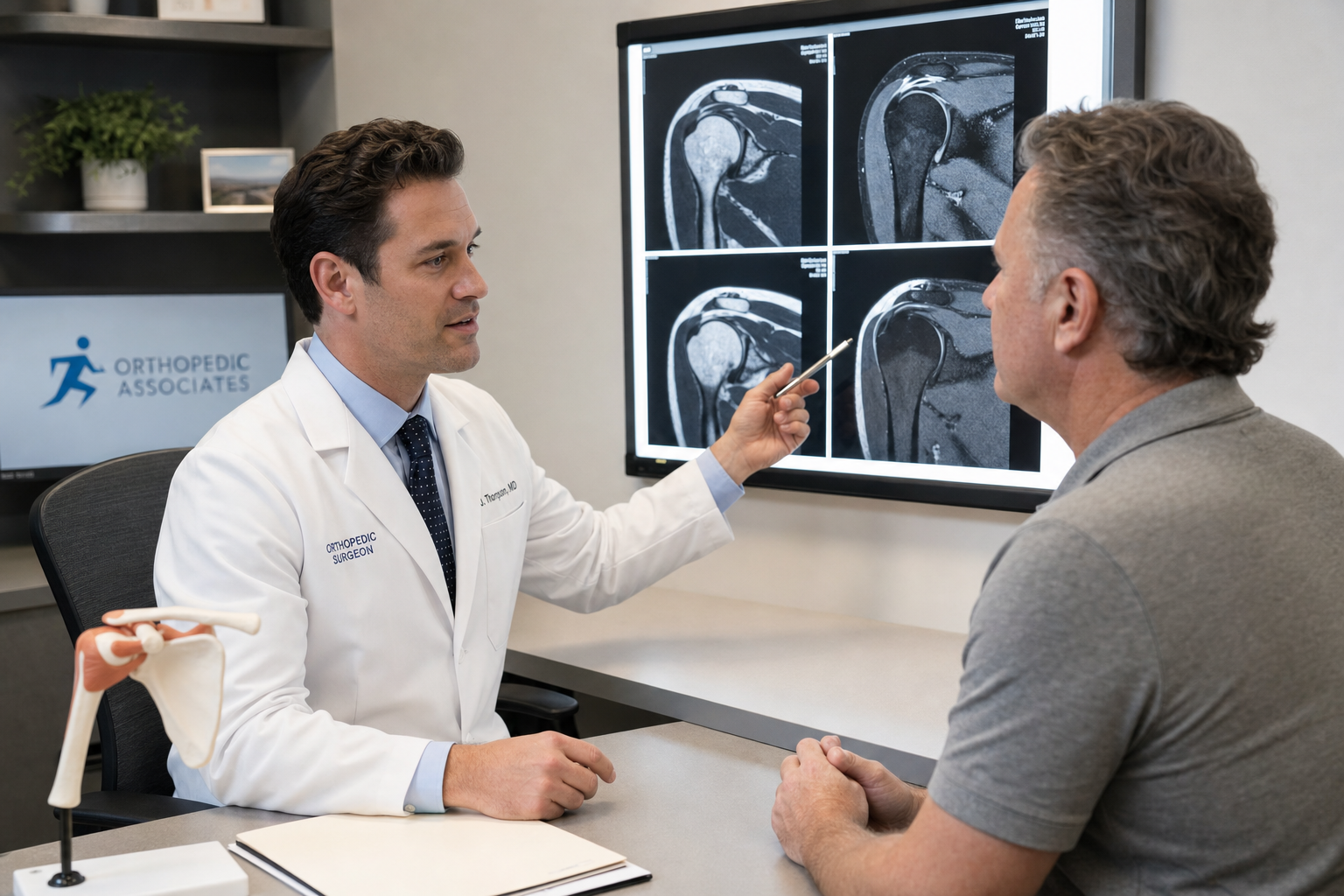
A second opinion does more than confirm or contradict a prior recommendation. It gives you a fuller picture of your shoulder condition. During a second-opinion consultation at Varma Shoulder Institute, Dr. Varma reviews your imaging, performs an independent physical examination, and discusses your symptoms in detail. This process can reveal whether a diagnosis is accurate, whether the recommended procedure is the most appropriate one, and whether the timing of surgery is truly urgent.
For example, a patient told they have a full-thickness rotator cuff tear may actually have a partial tear that responds well to non-surgical management. Conversely, a patient who has been managing pain conservatively for months may learn that surgery is now clearly indicated. Either way, clarity is the goal. You can learn more about rotator cuff tear diagnosis and treatment from the American Academy of Orthopaedic Surgeons.
To schedule a second-opinion evaluation with our team, visit our shoulder consultation page or call (352) 404-8956.
Common Shoulder Surgeries Patients Ask Us to Re-Evaluate
Patients come to Varma Shoulder Institute for second opinions on a wide range of shoulder procedures. The most common include rotator cuff repair, shoulder arthroscopy for labral tears or impingement, total shoulder replacement, reverse shoulder replacement, and SLAP tear repair. Each of these procedures has specific indications, and the appropriateness of surgery depends heavily on the individual patient’s anatomy, activity level, age, and prior treatment history.
We also see patients who have already had one shoulder surgery and are being told they need a revision procedure. Revision shoulder surgery is complex, and a second opinion from a surgeon with dedicated shoulder expertise is especially important in those cases.
Could Non-Surgical Treatment Still Be an Option?
One of the most common findings during a second-opinion consultation is that non-surgical treatment has not been fully exhausted. Many shoulder conditions — including partial rotator cuff tears, shoulder impingement, mild arthritis, and certain labral injuries — can be managed effectively without surgery, at least initially. Non-surgical options include structured physical therapy, corticosteroid injections, platelet-rich plasma (PRP) injections, and activity modification.
At Varma Shoulder Institute, we do not recommend surgery unless it is genuinely the best option for the patient. If conservative care has a reasonable chance of resolving your symptoms, we will tell you that directly. Our goal is the right outcome for your shoulder — not the fastest path to the operating room.
What to Bring to Your Second Opinion Appointment
Coming prepared to your second-opinion appointment helps Dr. Varma give you the most accurate and complete assessment possible. Bring the following:
- All imaging studies — MRI, X-ray, CT scan — on disc or via digital transfer
- Radiology reports from prior imaging
- Any prior surgical notes or operative reports if you have had previous shoulder surgery
- A list of medications and supplements you currently take
- Notes on your symptoms: when they started, what makes them worse, and what you have already tried
- Your insurance card and a photo ID
If you do not have copies of your imaging, our team can help coordinate records requests before your appointment. Call (352) 404-8956 and we will walk you through the process.
Questions to Ask Before Agreeing to Shoulder Surgery
Before consenting to any shoulder procedure, you deserve clear answers to the following questions. Bring this list to both your original surgeon and your second-opinion consultation:
- What is the exact diagnosis, and how was it confirmed?
- What are all of my treatment options, including non-surgical ones?
- What happens if I delay surgery by three to six months?
- What is the expected recovery timeline, and what does rehabilitation involve?
- How many times have you performed this specific procedure?
- What are the risks of this surgery for someone with my health history?
- Is there a less invasive surgical option that could achieve the same result?
A surgeon who is confident in their recommendation will welcome these questions. If you feel your concerns are being dismissed, that is another reason to seek a second opinion from a dedicated shoulder specialist in Clermont.
What Happens If Two Surgeons Recommend Different Treatments?
It is not uncommon for two surgeons to recommend different approaches to the same shoulder problem. This does not mean one is wrong — it often reflects genuine differences in surgical philosophy, experience, or interpretation of imaging. When this happens, the most important thing is to understand the reasoning behind each recommendation.
Ask each surgeon to explain why they prefer their recommended approach over the alternative. Consider the surgeon’s specific experience with the procedure in question. A general orthopedic surgeon and a shoulder-only specialist may reach different conclusions, and the specialist’s perspective carries additional weight when the condition is complex. The American Shoulder and Elbow Surgeons organization provides resources on shoulder care standards that can help you contextualize differing recommendations.
Why Seeing a Shoulder-Focused Orthopedic Surgeon Matters
Not all orthopedic surgeons have the same depth of shoulder expertise. General orthopedic surgeons treat a wide range of musculoskeletal conditions — hips, knees, spine, hands, and shoulders. A shoulder-focused specialist, by contrast, has dedicated training and daily clinical experience with the full spectrum of shoulder pathology.
Dr. Amit Varma is double-fellowship-trained in shoulder and elbow surgery, having completed fellowships at the Rothman Institute under Dr. Michael Ciccotti and at the Andrews Institute under Dr. James Andrews — two of the most respected orthopedic training programs in the country. He serves as Chief of Surgery at South Lake Hospital and has more than 10 years of experience treating shoulder conditions ranging from rotator cuff tears to complex revision shoulder replacements.
Varma Shoulder Institute provides shoulder surgery second opinions for patients throughout Clermont, Orlando, and Central Florida, with consultations typically available within 48 hours. Our practice is built around one area of the body — the shoulder — which means every patient benefits from that focused expertise.
How to Request a Shoulder Second Opinion in Clermont, FL
Requesting a second opinion at Varma Shoulder Institute is straightforward. You do not need a referral in most cases, and we accept most major insurance plans including Aetna, Cigna, Florida Blue/BCBS, UnitedHealthcare, Medicare, and Tricare. Self-pay options are also available.
To get started, call our office at (352) 404-8956 or visit our website to request an appointment. Our team will confirm your insurance, help coordinate any records transfers, and schedule you as quickly as possible — typically within the same week. You can also reach us by email at info@varmashoulderinstitute.com.
We understand that waiting for a surgery decision is stressful. Our goal is to give you a clear, honest answer as quickly as possible so you can move forward — whether that means proceeding with surgery, pursuing non-surgical care, or simply feeling confident in a decision you have already made.
A Closer Look: When a Second Opinion Changes the Plan
Common Mistakes Patients Make Before Shoulder Surgery
Patients navigating a shoulder surgery recommendation often make avoidable mistakes that can affect their outcomes. The most common include:
- Agreeing to surgery without trying physical therapy first. Many shoulder conditions improve significantly with a structured rehabilitation program. Surgery should generally be considered after conservative care has been given a fair trial.
- Assuming imaging tells the whole story. MRI findings must be interpreted alongside your symptoms and physical examination. An abnormal MRI does not automatically mean surgery is necessary.
- Delaying evaluation until symptoms become severe. Some shoulder conditions — particularly rotator cuff tears — can worsen over time if left untreated. Early evaluation gives you more options.
- Not asking about the surgeon’s specific experience with the recommended procedure. Experience with a specific technique matters, especially for complex procedures like reverse shoulder replacement or revision surgery.
- Skipping a second opinion because they feel it will offend their surgeon. Reputable surgeons expect and respect second opinions. It is your shoulder and your decision.
You can read more about common shoulder problems and when treatment is needed from the American Academy of Orthopaedic Surgeons.
Practical Next Steps: What to Do Before Your Second Opinion
If you have been told you need shoulder surgery and want a second opinion, here is a simple action plan:
- Request copies of all your imaging studies and radiology reports from your current provider.
- Write down your symptoms, their duration, and everything you have already tried.
- Call Varma Shoulder Institute at (352) 404-8956 to schedule your consultation — same-week appointments are available.
- Bring your questions. Use the list in this article as a starting point.
- After your consultation, take time to compare the recommendations and ask follow-up questions before making a final decision.
You do not have to navigate this alone. Our team at Varma Shoulder Institute is here to give you the information and expertise you need to make the best decision for your shoulder health.
Frequently Asked Questions
Is it appropriate to get a second opinion before shoulder surgery?
Yes. Seeking a second opinion before any elective surgery is a medically sound and widely accepted practice. It helps confirm your diagnosis, ensures you understand all available treatment options, and gives you confidence in your final decision.
How quickly can I get a shoulder second opinion at Varma Shoulder Institute?
Varma Shoulder Institute typically offers second-opinion consultations within 48 hours. Same-week appointments are available. Call (352) 404-8956 or visit our website to request an appointment.
Will my insurance cover a shoulder surgery second opinion?
Many insurance plans cover second-opinion consultations. Varma Shoulder Institute accepts Aetna, Cigna, Florida Blue/BCBS, UnitedHealthcare, Medicare, and Tricare. Verify your specific benefits with your carrier and our office before your appointment.
What should I bring to a shoulder second opinion appointment?
Bring all imaging studies (MRI, X-ray, CT) on disc or via digital transfer, radiology reports, any prior surgical notes, a list of your current medications, and a summary of your symptoms and prior treatments.
What if the second surgeon disagrees with the first recommendation?
Differing recommendations are not uncommon and often reflect differences in surgical experience or philosophy. Ask each surgeon to explain their reasoning clearly. A shoulder-focused specialist like Dr. Varma at Varma Shoulder Institute can help you understand the clinical basis for each recommendation.
Can a second opinion reveal non-surgical options I was not told about?
Yes. Second-opinion consultations frequently identify non-surgical options — such as physical therapy, PRP injections, or activity modification — that were not fully explored. At Varma Shoulder Institute, we evaluate every patient for the full range of treatment options before recommending surgery.
Do I need a referral to get a shoulder second opinion in Clermont, FL?
In most cases, no referral is needed to schedule a second-opinion consultation at Varma Shoulder Institute. Contact our office at (352) 404-8956 and our team will confirm your insurance requirements and get you scheduled quickly.
Update Log
- May 2026: Article published covering shoulder surgery second opinion guidance for patients in Clermont and Central Florida, including what to bring, questions to ask, and how to request a consultation at Varma Shoulder Institute.